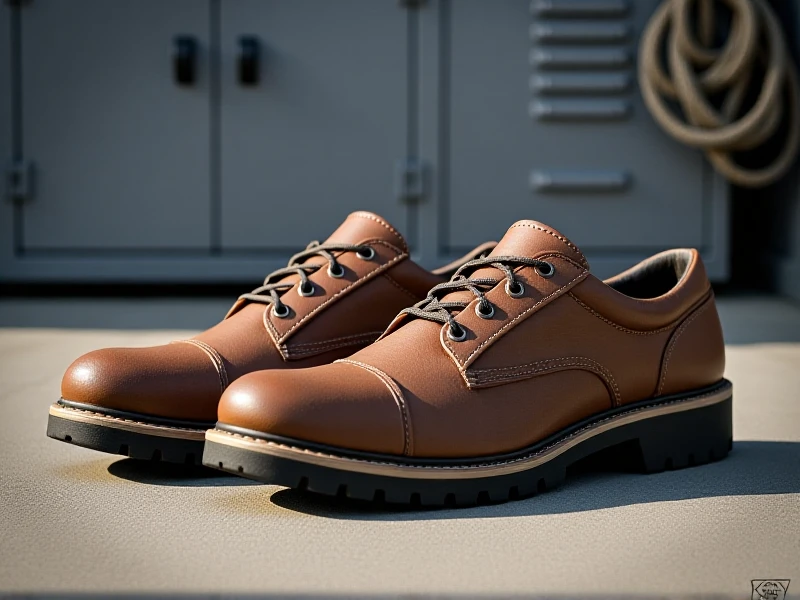
Finding Your Perfect Pair: Your Ultimate Guide to Men's Work Shoes
Choosing the right Men's Work Shoes isn't just about comfort—it's a critical safety and performance decision. Whether you're facing heavy machinery, slippery surfaces, long hours on concrete, or unpredictable job site elements, the wrong footwear can lead to fatigue, injury, or worse. Discover the essential features to prioritize for durability, protection, and all-day support in your next pair.
Safety is Non-Negotiable: Know Your Standards
The cornerstone of Men's Work Shoes is safety compliance. Look for these key markers:
- Safety Toes: Protect against crushing injuries. Steel toes are traditional and robust. Lighter alloy toes offer similar protection with less weight. Composite toes (non-metal) are ideal for electrical hazard environments and pass most metal detectors. Ensure they meet ASTM F2413-18 standards.
- Slip Resistance: Crucial across countless industries. Outsoles made from rubber compounds and featuring aggressive tread patterns significantly reduce the risk of slips and falls, particularly on oily or wet surfaces.
- Electrical Hazard (EH) Protection: Provides a secondary barrier against accidental contact with live circuits (check ASTM F2892).
- Puncture Resistance: A tough midsole plate shields your feet from sharp objects penetrating the sole.
Beyond Safety: Comfort & Durability for Long Shifts
Safety features mean little if your feet ache relentlessly. Modern Men's Work Shoes excel in comfort technology:
- Advanced Cushioning: Materials like EVA foam, polyurethane, or specialized gel pads absorb impact, reducing fatigue during prolonged standing or walking on hard floors.
- Arch and Heel Support: Proper support systems stabilize feet and maintain natural alignment, preventing strain throughout your lower body.
- Quality Materials: Full-grain leather offers superior durability and resistance to abrasions and chemicals. Waterproof membranes (e.g., Gore-Tex) keep feet dry in wet conditions. Synthetic leather provides a breathable, often lighter, alternative.
- Robust Construction: Goodyear welt construction or cementing ensures the outsole is securely attached for long-lasting performance. Look for reinforced stitching.
Choosing the Best Fit for Your Job
Consider your specific work environment:
- Construction/Warehousing: Prioritize ankle support with a work boot (6-inch or higher), maximum safety toe protection (steel or composite), and aggressive slip resistance. Durability is paramount.
- Landscaping/Gardening: Waterproofing, mud resistance, and breathability are key alongside good grip. Lower-cut shoes or boots might be preferred.
- Mechanics/Technicians: Slip resistance and electrical hazard protection are vital. Oil-resistant soles are a plus. Comfort for constant movement is crucial.
- Healthcare/Food Service: Focus intensely on slip resistance, easy cleaning (often a synthetic material or polishable leather), and lightweight all-day comfort. Safety toes might not be needed.
The Takeaway
Investing in the right pair of Men's Work Shoes is an investment in your safety, health, and productivity for years of demanding work. Prioritize the essential safety features mandated by your job while seeking models that deliver proven comfort through quality cushioning and support. Durable materials and proper construction ensure your boots handle daily wear and tear. Don't compromise – choose footwear built to protect you, provide comfort during the toughest shifts, and withstand the demands of your trade. Your feet deserve it!