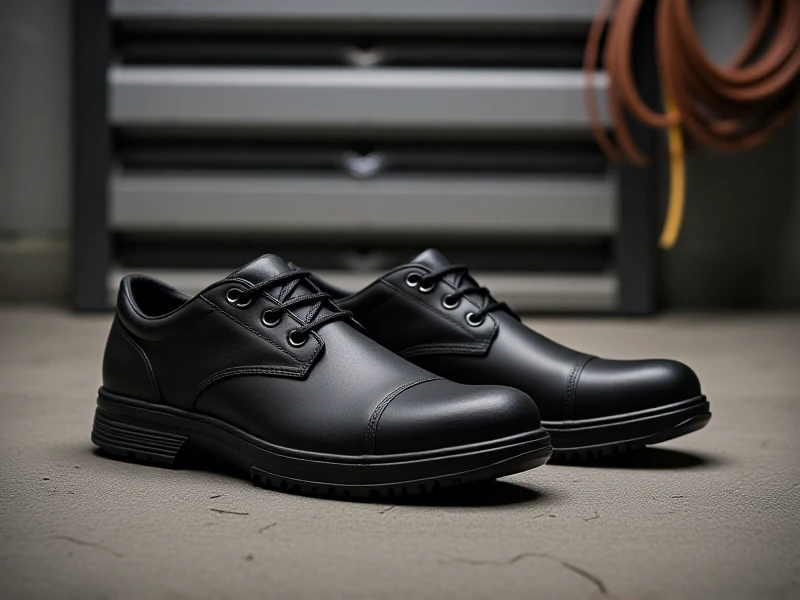
Choosing the Best Men's Work Shoes: A Guide to Safety and Comfort
Finding the right pair of men's work shoes isn't just about style; it's a crucial investment in safety, comfort, and productivity on the job. Your feet support you all day, often in demanding environments, so the footwear you choose needs to be up to the task. Understanding the key features and options available for men's work shoes makes all the difference.
Safety is paramount. Many industrial and construction jobs mandate men's work shoes with specific safety features. Look for ASTM-rated safety toes (steel, composite, or aluminum) designed to protect against impact and compression. Slip resistance is another non-negotiable, especially in kitchens, warehouses, or outdoor settings with wet or oily surfaces. Deep lugs and specialized rubber compounds provide reliable grip. Electrical hazard (EH) rated soles offer protection against live circuits, while puncture-resistant midsoles shield feet from sharp objects.
Beyond protection, comfort defines whether you can endure a long shift without foot fatigue. Look for features like cushioned midsoles (EVA or gel), padded collars and tongues, and adequate arch support. Breathability matters – moisture-wicking linings or mesh panels prevent sweaty, uncomfortable feet. Remember the fit: your safety toe men's work shoes need enough room in the toe box, often requiring sizing half a size up. Avoid anything too tight or loose.
Durability is another critical factor. Rugged environments demand tough materials. Full-grain leather remains a top choice for its abrasion resistance and ability to conform to your foot. Synthetic options like abrasion-resistant nylon can be lighter and offer great waterproofing with technologies like Gore-Tex®. Look for reinforced stitching, durable welts (like Goodyear welt for longer-lasting repairability), and high-quality, non-marking outsoles known for extended wear life.
Consider your specific job demands:
- Construction/Labor: Prioritize robust safety toes, high ankle support (6-inch boots), puncture resistance, and rugged durability.
- Warehouse/Logistics: Slip resistance, lightweight construction, and comfort for constant walking are key. Composite safety toes can reduce weight.
- Food Service/Healthcare: Slip resistance is critical, often paired with easy-clean materials (leather or synthetics) and liquid resistance. Comfort for standing is essential.
- Electrical Work: Ensure shoes meet ASTM EH/ASTM F2413-18 standards for electrical hazard protection.
Breaking in new men's work shoes gradually is vital. Wear them for short periods initially to avoid blisters. Pair them with high-quality moisture-wicking work socks for added comfort and foot health. Replacing worn-out shoes is just as important as choosing wisely – worn soles lose slip resistance, compressed midsoles offer no cushioning, and damaged safety features are ineffective.
Investing in the perfect pair of men's work shoes means investing in safety, comfort that lasts all shift, and peace of mind knowing you're properly equipped for the job. Don't compromise – your feet and performance depend on it. Explore trusted brands like Timberland PRO, Keen Utility, Wolverine, Carhartt, or Caterpillar known for reliable work footwear. Find the pair engineered for your specific challenge.